

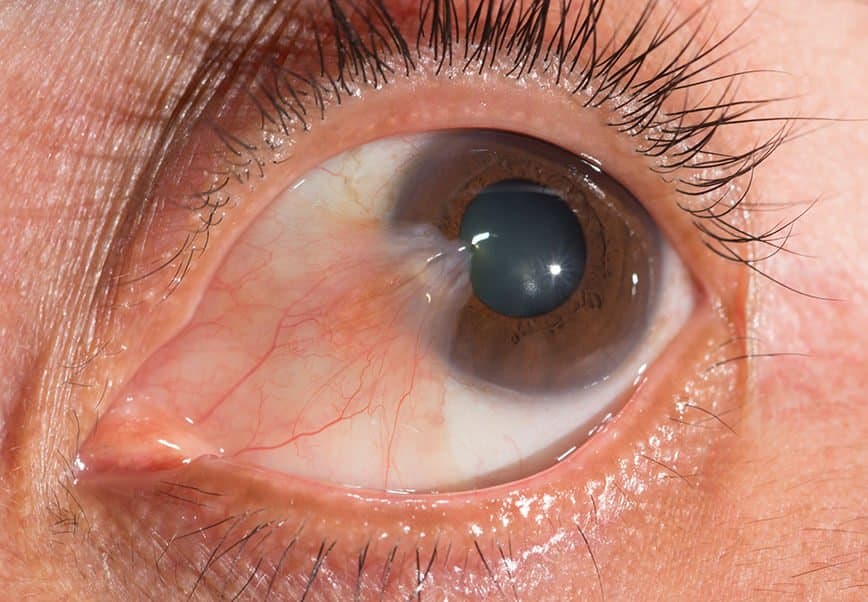
Pterygium
[vc_row][vc_column][tm-custom-heading text=”Pterygium….. Should I worry???” font_container=”tag:h1|font_size:48|text_align:left”][vc_column_text]Pterygium occurs as a result of the growth of conjunctival membranes and their passage to the cornea, hence it acquired its name in relation to the fingernail.[/vc_column_text][tm-custom-heading text=”Pay attention pterygium is NOT a malignant disease” font_container=”tag:h2|font_size:38|text_align:center|color:%2312b48b” css=”.vc_custom_1669234173865{background-color: #e7f8f3 !important;}”][vc_column_text]Pterygium is a common problem, especially in those who are directly exposed to the sun, and it is often benign, non-cancerous and can occur in one or both eyes.[/vc_column_text][vc_toggle title=”What are the causes of pterygium?” style=”arrow”]There are some factors that contribute to the appearance of pterygium, including:
-
- Direct and continuous exposure to sunlight
- Chronic dry eyes without treatment
- Exposure to factors that cause increased eye irritation such as: dust, smoke, sand and smoking
- Exposure to ultraviolet rays of the sun, especially in our Arab countries, is a key factor for the formation of pterygium
[/vc_toggle][vc_toggle title=”How would i complain from Pterygium??” style=”arrow”]Often the pterygium is formed and is small in size and does not affect the eye, but when the condition develops, the following symptoms may appear:
-
- Itchy eyes or burning sensation
- Feeling of sand in the eye
- Chronic eye redness
- Deformity of the ocular surface
- Blurry or double vision: If the pterygium grows to cover a large part of the cornea, it affects vision by increasing astigmatism and changing visual acuity or even loss of image
[/vc_toggle][vc_single_image image=”9669″ img_size=”large” alignment=”center”][vc_toggle title=”Does pterygium have an eye drops treatment?” style=”arrow”]There is no treatment to stop or reverse pterygium formation, but some drops can be used to treat associated symptoms such as redness, eye irritation or dry eyes.[/vc_toggle][vc_toggle title=”When do I need to have my pterygium surgically removed?” style=”arrow”]
-
- If the size of the pterygium increases in an annoying way, it leads to a corneal deformity, blocking vision, or persistent inflammation of the cornea.
- If the ophthalmologist suspects a risk of eye surface tumors, they will need to be removed and the tissue analyzed.
- It can be removed cosmetically if it is annoying in the form
[/vc_toggle][vc_single_image image=”9647″ img_size=”large” alignment=”center”][vc_toggle title=”Can pterygium come back after being removed?” style=”arrow” open=”true”]If the causes of pterygium continue after its removal, it is possible that it will return again
Therefore, the surgical techniques used to remove the pterygium are very important in order to first remove it completely without damage or deformity of the cornea, and secondly to use some techniques that largely prevent its return.[/vc_toggle][tm-custom-heading text=”We always recommend that the pterygium should be removed by a corneal Surgery consultant -as ProfDr. Hesham- to get the best desired results” font_container=”tag:h2|font_size:38|text_align:center|color:%2312b48b” css=”.vc_custom_1669234597338{background-color: #e7f8f3 !important;}”][tm-custom-heading text=”Prevention is better than Treatment” font_container=”tag:h2|font_size:38|text_align:center|color:%23214064″ css=”.vc_custom_1669234428640{background-color: #e9ecf0 !important;}”][vc_column_text]We always recommend following preventive measures against pterygium such as:
-
- Wear good UV anti-UV sunglasses
- Wear a hat in direct sun
- Treatment of dry eyes and away from dust, smoking and dust
[/vc_column_text][/vc_column][/vc_row][vc_row tm_bgcolor=”skincolor” tm_bgimagefixed=”” tm_responsive_css=”58181638|colbreak_no|||||0||||colbreak_no|||||||0px||colbreak_no||||||||||colbreak_no|||||||||”][vc_column tm_bgcolor=”darkgrey” css=”.vc_custom_1668693487248{padding-top: 40px !important;}”][tm-heading h2=”Book Your appointment with
Prof. Dr. Hesham Gharieb” h2_font_container=”color:%2312b48b” h4=”Prof. Dr. Hesham Gharieb” txt_align=”center” reverse_heading=”” use_custom_fonts_h2=”true”]
Take The right Decision NOW
[/tm-heading][tm-btn title=”Book Now” shape=”round” color=”primary” size=”lg” font_weight=”yes” align=”center” add_icon=”true” i_icon_themify=”themifyicon ti-hand-point-up” css_animation=”zoomIn” css=”.vc_custom_1669378927769{padding-top: 20px !important;padding-right: 20px !important;padding-bottom: 20px !important;padding-left: 20px !important;}” link=”url:https%3A%2F%2Fblog.heshamgharieb.com%2Fen%2Fcontact_us%2F|title:https%3A%2F%2Fblog.heshamgharieb.com%2Fen%2Fcontact_us%2F”][/vc_column][/vc_row][vc_row tm_bgcolor=”grey” tm_bgimagefixed=”” tm_responsive_css=”58181638|colbreak_no|||||0||||colbreak_no|||||||0px||colbreak_no||||||||||colbreak_no|||||||||”][vc_column tm_bgcolor=”grey” css=”.vc_custom_1668694626701{padding-top: 40px !important;}”][tm-heading h2=”Most Viewed Articles” h4=”Most Viewed Articles” txt_align=”center”]
We answer the most common questions and find the best solutions to life problems related to the eyes
[/tm-heading][vc_row_inner break_in_responsive=”991″ rtl_reverse=”yes” css=”.vc_custom_1663062932396{margin-right: 0px !important;}” tm_responsive_css=”39842977|colbreak_no|||||||||colbreak_no||0x||0px|||||colbreak_no||||||||||colbreak_no|||||||||”][vc_column_inner tm_bgcolor=”grey” tm_responsive_css=”50114887|colbreak_no|||||||||colbreak_no|||||||||colbreak_no|||||||||591|colbreak_no||||||30px||30px|”][tm-blogbox h2=”Read More about Vision Correction….” show=”10″ category=”cornea_eg,lasik_en” column=”two” boxview=”carousel” carousel_autoplayspeed=”3000″ carousel_dots=”1″ carousel_nav=”1″ carousel_slidestoscroll=”1″][/tm-blogbox][/vc_column_inner][/vc_row_inner][/vc_column][/vc_row]
Related Posts
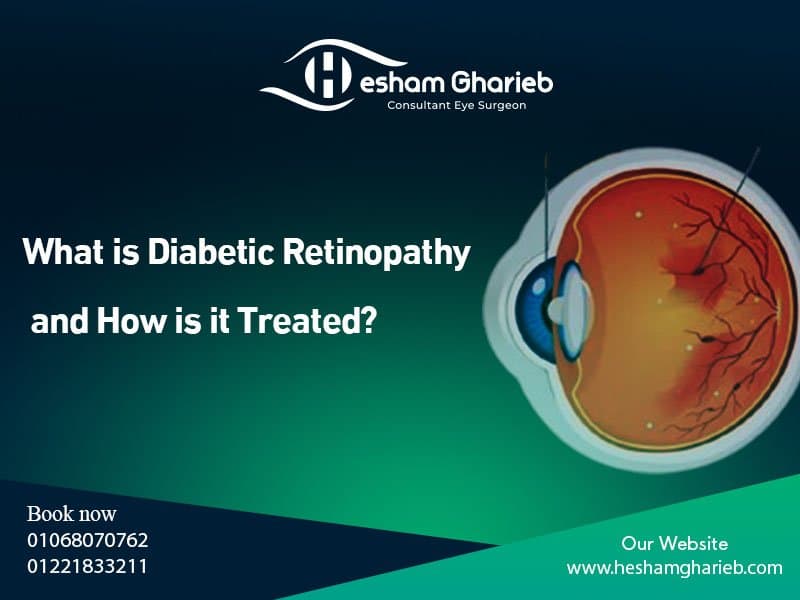
What is Diabetic Retinopathy? Symptoms & Treatment Options
Have you ever wondered how diabetes can affect your eyesight? If you’re living with diabetes—whether type 1 or type 2—you may be at risk of developing a serious eye condition known as diabetic retinopathy. This diabetic retina disease is one of the leading causes of vision loss worldwide, including in Egypt. But the good news […]
Read More
Fundus Examination in Egypt : Why It’s Crucial for Eye Health
Have you ever wondered how doctors can detect hidden eye diseases before you even feel any symptoms? The answer often lies in a simple but powerful test — the fundus examination. In Egypt, especially in cities like Cairo and Giza, this test has become a routine yet essential part of comprehensive eye care. Whether you’re […]
Read More
Glaucoma treatment in Egypt 2025: control your eye pressure
Have you ever wondered why regular eye checkups are so important, especially as you age? One of the most silent and dangerous threats to your eyesight is glaucoma—a condition that often develops without symptoms but can lead to permanent vision loss if not treated early. In Egypt, more people are being diagnosed with glaucoma each […]
Read More